Diabetes Research
Diabetes mellitus is a metabolic condition characterized by an inability to regulate blood glucose levels. It is caused by either defects in insulin production and secretion (Type I) or defects in insulin signaling (Type II). As of 2000 at least 2.8% of the worlds population suffer from diabetes.
To view Bio-Techne's complete solutions for lipid metabolism, glucose homeostasis, and energy balance, please visit our metabolism page on bio-techne.com
Diabetes Research Product Areas
Type I Diabetes
Type I diabetes, also known as insulin-dependent (IDDM) or juvenile diabetes, is usually due to autoimmune attack of β-islet cells in the pancreas. It can also be idiopathic and there is increasing evidence of a viral etiology. The normal function of β-islet cells is to produce insulin in response to elevated blood glucose, which in turn promotes the conversion of glucose into glycogen polymers for storage. Destruction of β-islet cells prevents insulin production and subsequently manifests as hyperglycemia.
Genetic susceptibility genes for type I diabetes have been identified and include IDDM1, which codes for a MCH II complex that is displayed on the surface of β-islet cells. Certain polymorphisms of this gene result in the display of improper antigens on the surface of β-cells, leading to their targeting for destruction by T-cells.
Type II Diabetes
Type II diabetes, also known as non-insulin-dependent (NIDDM) or obesity-related diabetes, is characterized by insulin resistance and a loss of insulin sensitivity. Insulin levels may be increased (hyperinsulinemia) or decreased (hypoinsulinemia). Other factors that contribute include decreased activity of glucose transporters, increased hepatic glucose production and delayed β-cell sensitivity to hyperglycemia. The etiology of type II diabetes is unknown, but it is associated with obesity (particularly central obesity), sedentary lifestyle, high sugar diet, total body irradiation (a cancer treatment), hypertension and increasing age.
Pharmacological Interventions
First line treatment for type I diabetes is insulin replacement therapy. Type II diabetes is initially treated by attempts to maintain glycemic control with diet modifications. Pharmacological interventions, such as metformin, are used later. Diabetic complications are prevalent and uncontrolled so there is intense interest in developing pharmacological agents that allow better management of this condition. Novel antidiabetic treatments include fibroblast growth factor-21 analogs, renal sodium-glucose transporter inhibitors, free fatty acid receptor ligands, dipeptidyl peptidase IV (DPP-IV) inhibitors and more.
Literature for Diabetes Research
Tocris offers the following scientific literature for Diabetes Research to showcase our products. We invite you to request* or download your copy today!
*Please note that Tocris will only send literature to established scientific business / institute addresses.

Peptides Involved in Appetite Modulation Scientific Review
Written by Sonia Tucci, Lynsay Kobelis and Tim Kirkham, this review provides a synopsis of the increasing number of peptides that have been implicated in appetite regulation and energy homeostasis; putative roles of the major peptides are outlined and compounds available from Tocris are listed.
Pathways for Diabetes Research

Insulin Signaling Pathway
Signaling through the insulin pathway is fundamental for the regulation of intracellular glucose levels. This pathway can become dysregulated in diabetes.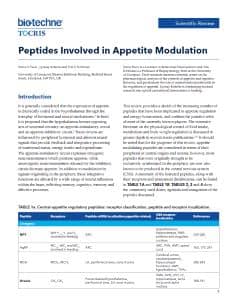
Our Peptides Involved in Appetite Modulation review gives an overview of the peptides implicated in appetite regulation and energy homeostasis.
Request copyRequest PDF